Everything you need to send one application
Most people end up with three tabs open: a template site, a keyword checker, and something to make the PDF. This does all three, and it remembers what you wrote last time.
Your score updates as you type
Each edit is re-scored across five checks: contact details, work history, quantified impact, keyword coverage and formatting. When the number moves, you can see which line moved it.
20 templates, all parser-safe
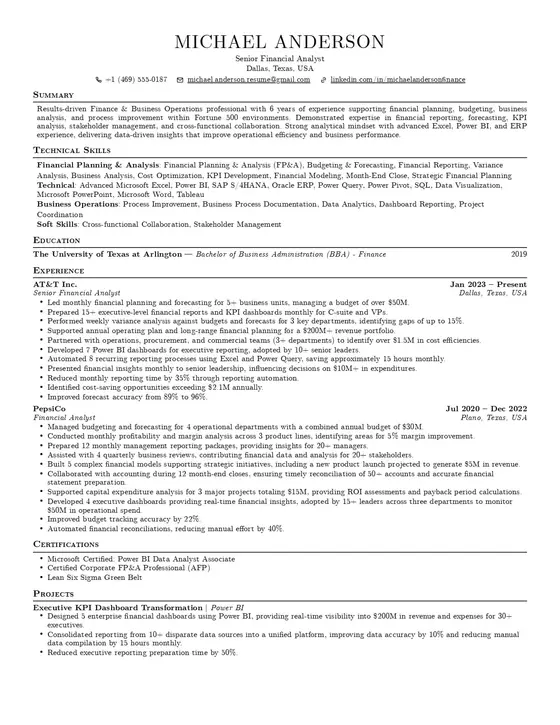
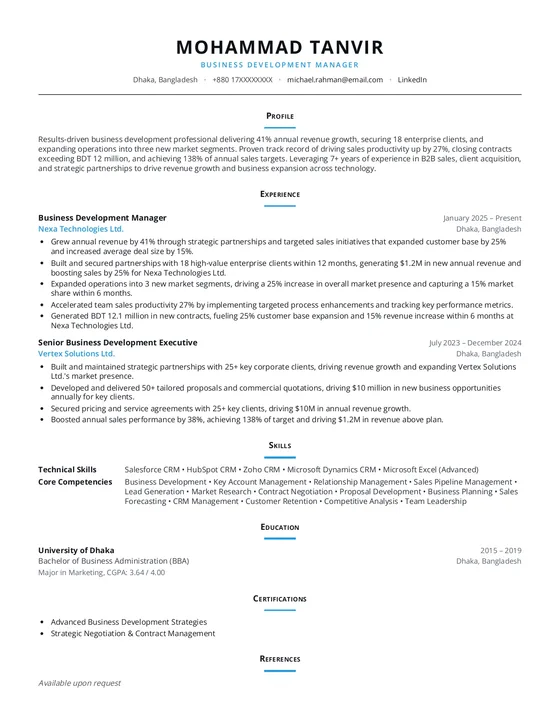
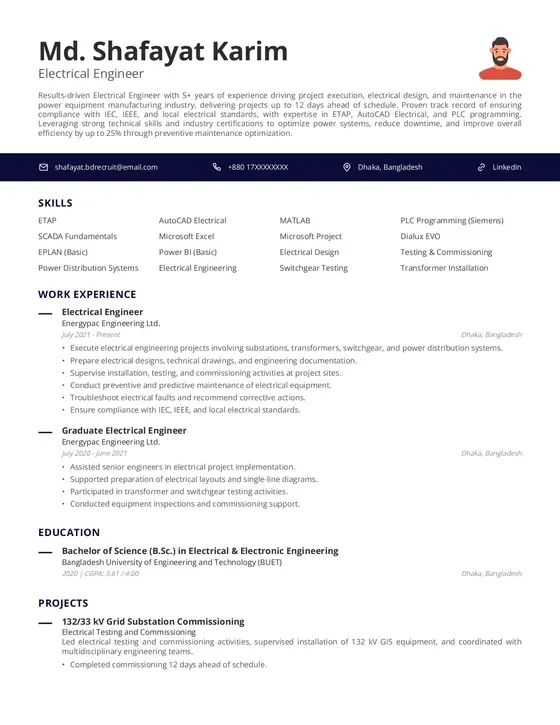
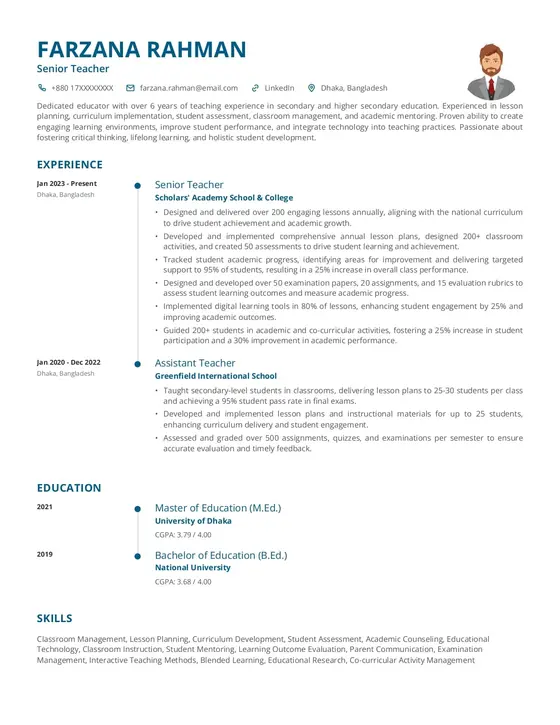
Single column by default, with the section order screening software expects. Two-column options for roles where layout counts.
AI that has read your resume
Ask it to tighten a bullet, rewrite your summary, or explain why a section scored low.
A PDF with real text in it
Fonts embedded, text selectable, no tables or side columns to scramble when a parser opens the file. We test exports against:
Keyword gap
Paste the job posting. You get the terms it uses that your resume doesn't, ordered by how often the posting repeats them.
One version per job
Duplicate a resume for each application and change the keywords for that posting. The old versions stay in your dashboard.
Pick a layout, fill it in, download it
Fifteen of the 20 are single column, five are two column. Switch between them at any point without retyping anything.
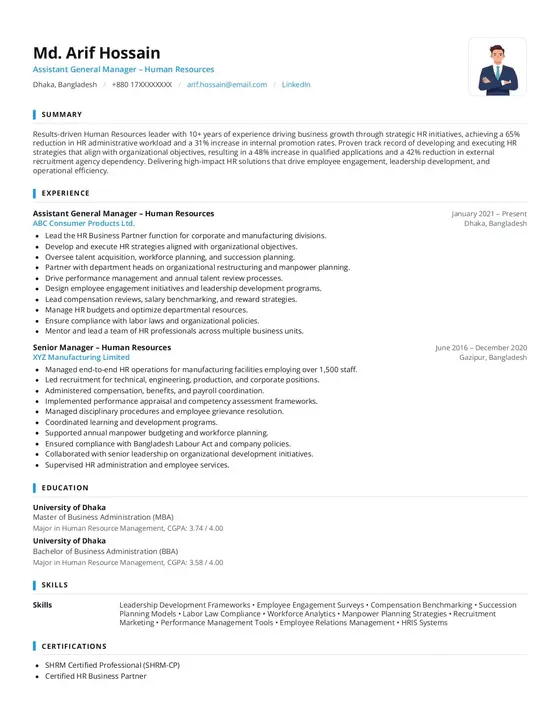
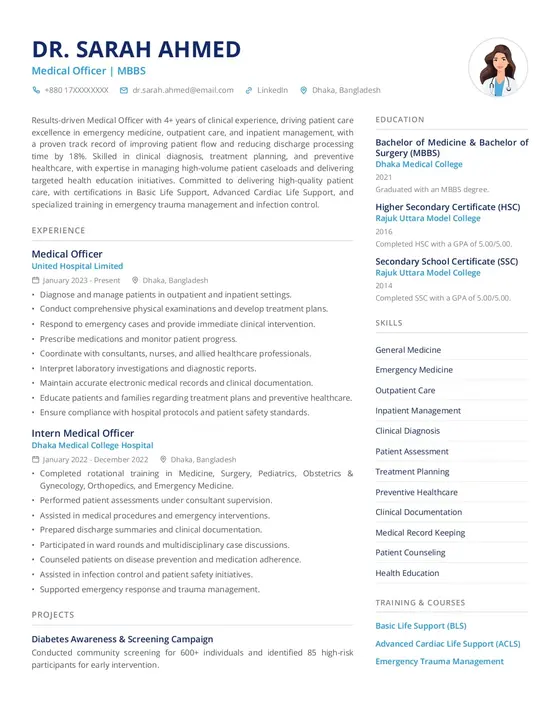
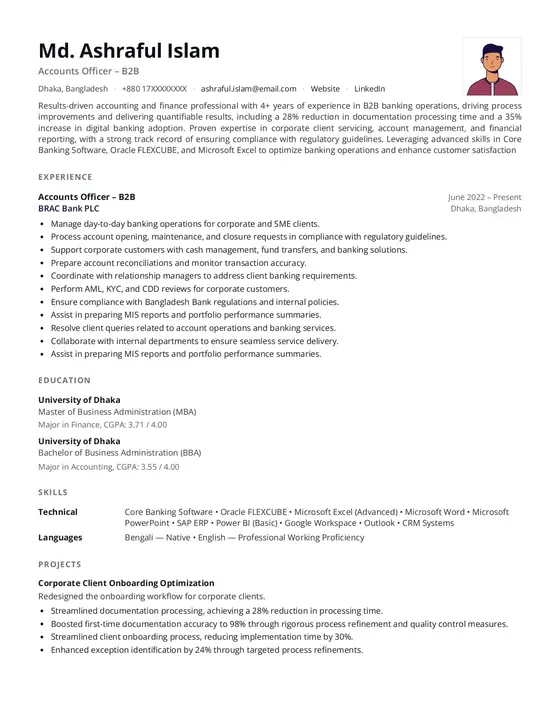
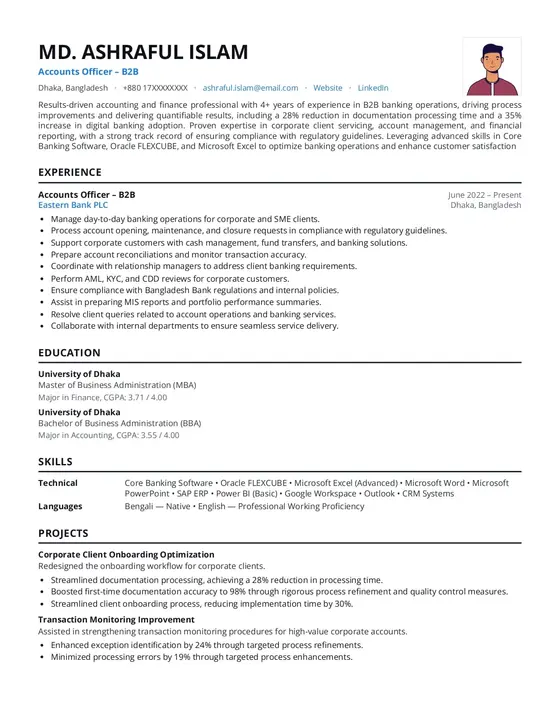
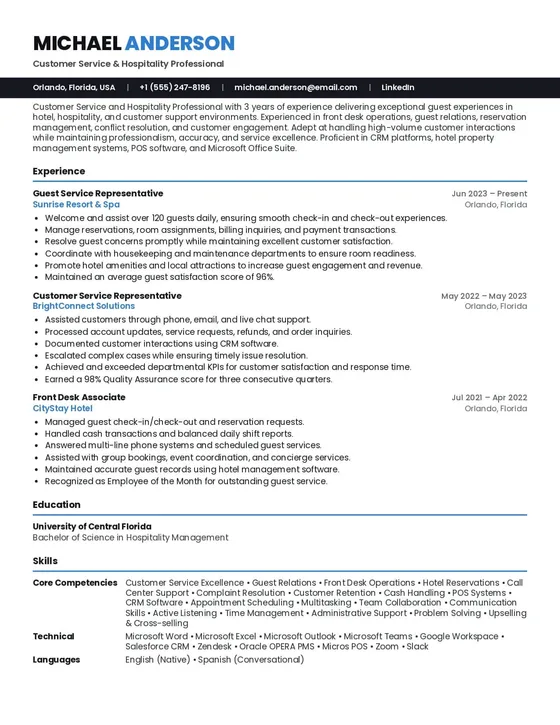
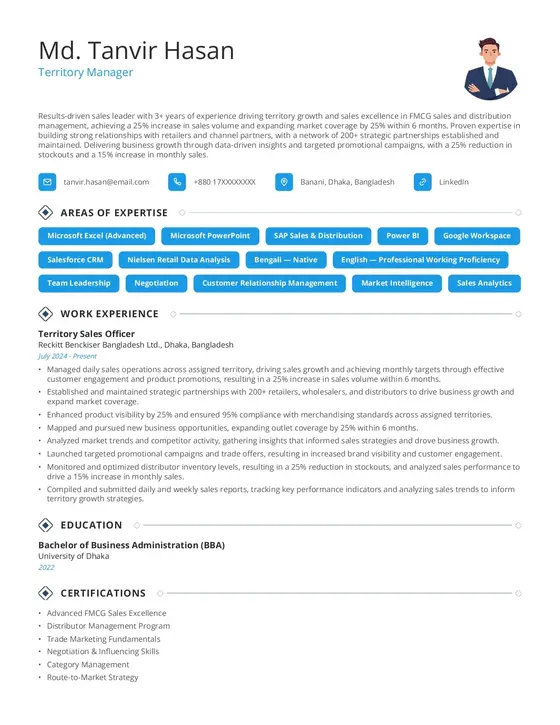
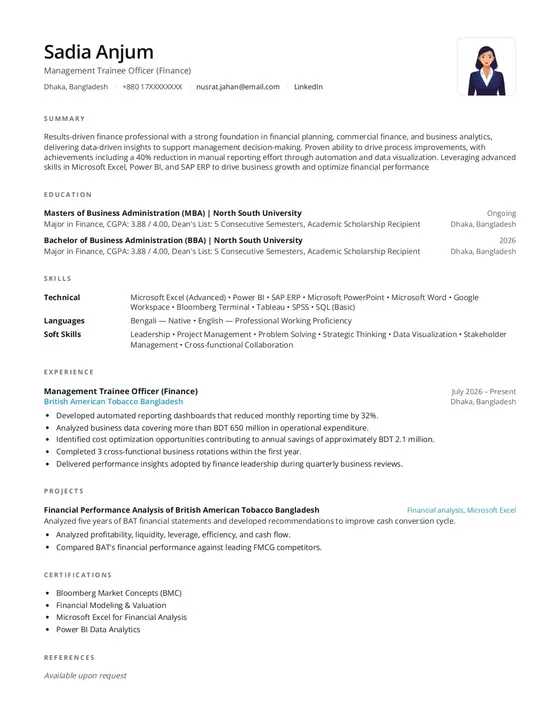
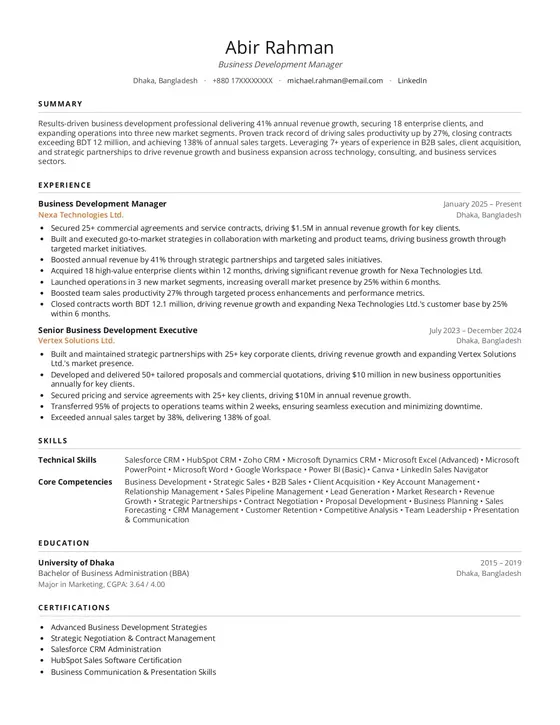
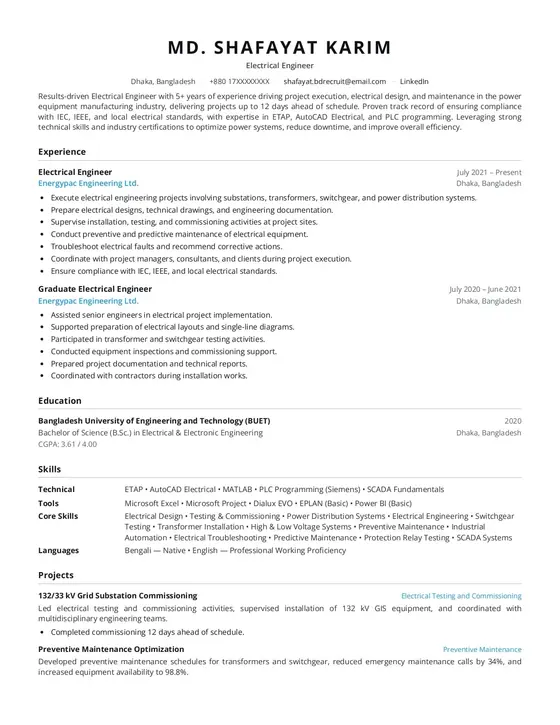
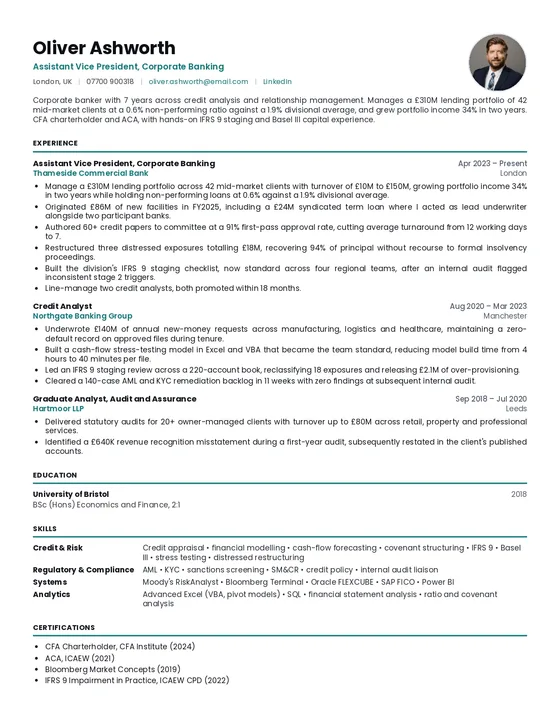
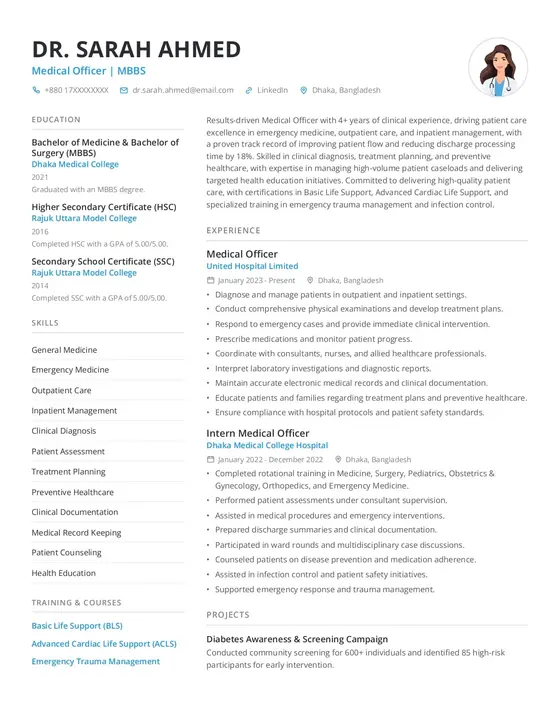
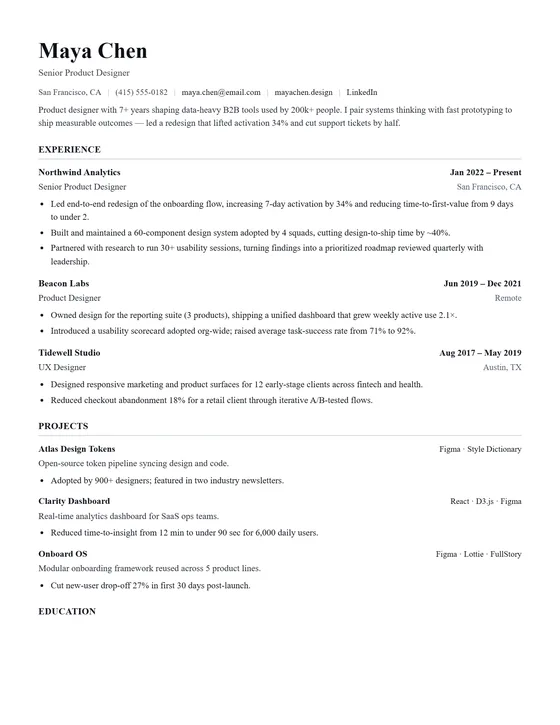
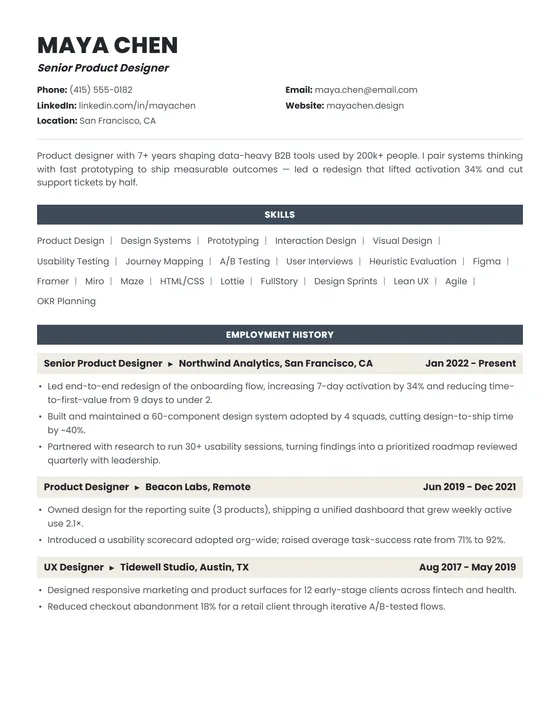
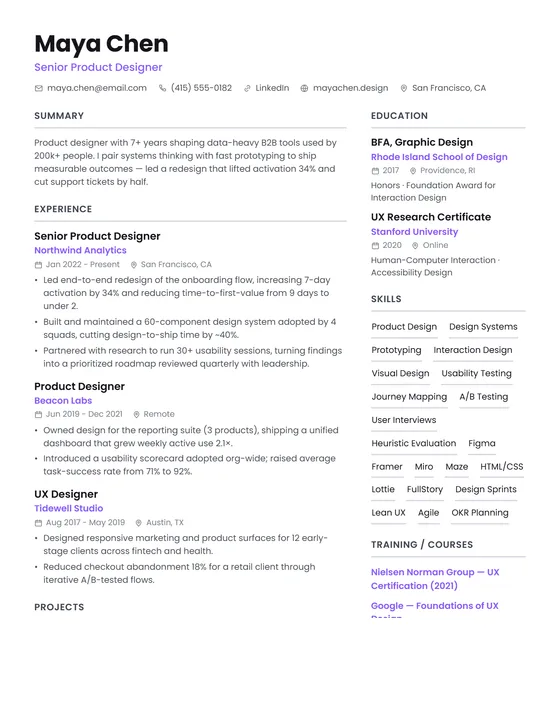
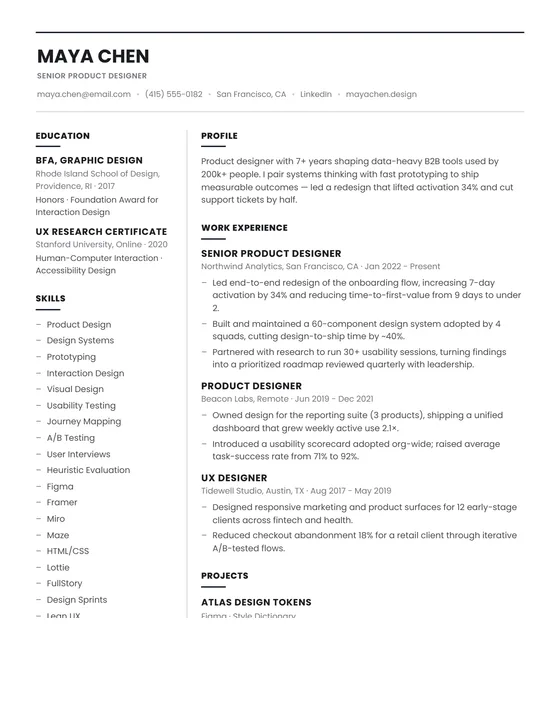
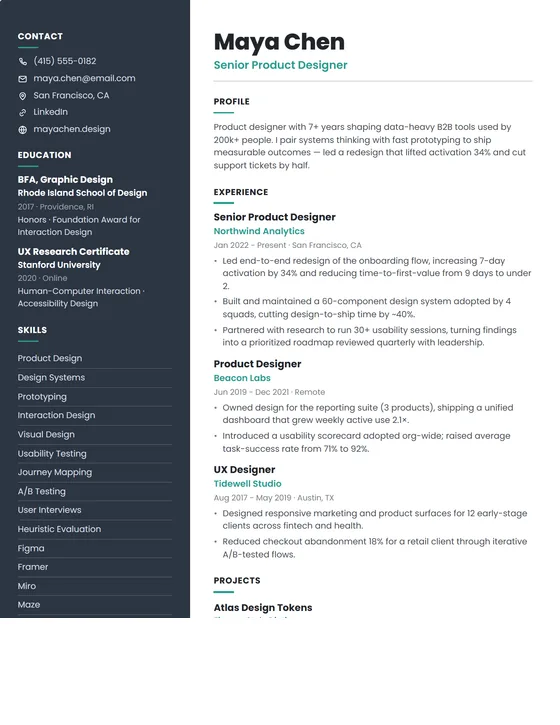
Three steps, about ten minutes
Put your experience in
Type it, paste it, or upload your old resume and let the AI break it into sections. Dates, titles and bullets land where they belong.
Follow the score
The checklist tells you what's missing: a number in that bullet, a stronger verb here, the term the posting keeps using and your resume never does.
Download and apply
Export the PDF. Then duplicate it for the next role and change the keywords. Nothing gets retyped.
Find out why you aren't hearing back
EvoResume reads your resume the way screening software does, then tells you in plain English what parsed, what didn't, and which line to fix first.
Side columns and tables are where parsing usually breaks.
"Cut build times 40%" gives a reader something to hold onto. "Improved build times" doesn't.
If the job says "demand planning" and your resume says "forecasting", that's a miss you'll never be told about.
Start from an example in your field
Each one is a full resume for that role, written the way people in it actually describe their work. Open it, see how the bullets are phrased, then swap in your own.
Already have a resume? Check it first.
Paste in what you're currently sending. You get a score, a breakdown by category, and a list of fixes ordered by how much each one is worth.
- A 0–100 score, with the reasoning behind each part
- Broken down by keywords, formatting and impact
- Fix list, worst first, with the wording to use instead
- Send any fix straight into the editor